



INP-WealthPk

Pakistan’s major ports operate at half capacity despite handling most of national trade
April 20, 2026
By Farooq Awan
Pakistan’s major seaports are operating at around 50% of their capacity despite handling nearly 95% of the country’s total trade volume, reflecting underutilization of existing infrastructure.
According to the “Blue Economy under URAAN Pakistan 2026” report prepared by the Planning Commission, Karachi Port and Port Qasim together handle the bulk of national trade but have recorded relatively stagnant cargo volumes in recent years.
The report notes that Karachi Port handled 54 million metric tonnes of cargo in FY25, while Port Qasim managed around 45 million metric tonnes. Despite these volumes, utilisation levels at both ports remain at approximately 50% of capacity.
It attributes this trend primarily to structural constraints, including inefficiencies in cargo evacuation and limited hinterland connectivity. Freight movement remains heavily dependent on road transport, with nearly 95% of dry cargo transported by road, leading to congestion and delays around port areas.
Although rail access exists, it remains underutilized due to capacity limitations, particularly on the ML-I line, restricting the expansion of freight rail and efficient cargo handling.
The report further highlights that overall port dwell times — averaging 8 to 10 days — reflect broader inefficiencies in port logistics, including limited digitalization and weak coordination across the cargo handling chain.
It adds that despite these constraints, existing port capacity is sufficient to accommodate projected trade growth in the near term, with expansion plans already in place to meet future demand.
The report emphasizes that improving capacity utilization will require better integration of transport networks, enhanced logistics efficiency, and reforms in port operations.
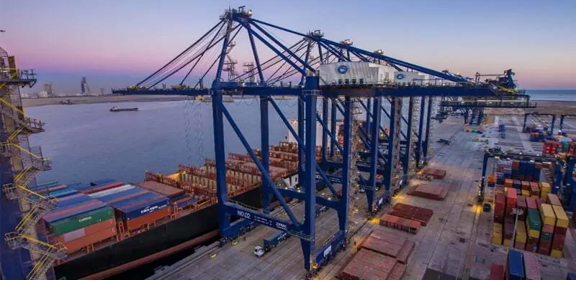
Credit: INP-WealthPk
Related Articles