


INP-WealthPk
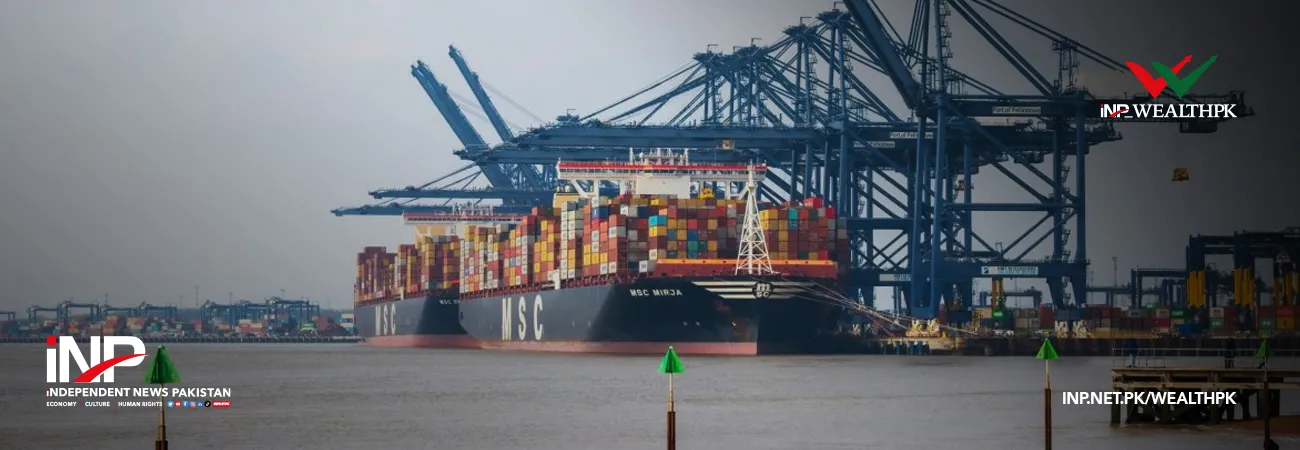
Pakistan meets only 10% of cargo needs through national fleet, faces $6bn freight burden
April 20, 2026
By Ayesha Saba
Pakistan’s national shipping capacity currently meets only about 10% of the country’s cargo requirements, resulting in an estimated annual freight bill of around $6 billion due to reliance on foreign vessels.
According to the “Blue Economy under URAAN Pakistan 2026” report prepared by the Planning Commission, the Pakistan National Shipping Corporation (PNSC) operates a relatively small fleet, with a total capacity of approximately 939,000 deadweight tonnage (DWT), which remains insufficient to handle the country’s growing trade volumes.
The report highlights that the absence of private sector participation in the shipping industry has further constrained capacity. At present, there are no privately-owned vessels registered under the Pakistani flag, leaving the sector heavily dependent on the public fleet.
This limited domestic capacity has significant implications for Pakistan’s external sector, as freight payments to foreign shipping companies contribute to persistent outflows of foreign exchange.
The report notes that strengthening the national shipping fleet could help reduce these outflows while enhancing the country’s control over its maritime trade.
In addition to expanding fleet capacity, the document emphasises the need for policy measures to encourage private investment in the shipping sector. This could include incentives for vessel acquisition, regulatory reforms, and improved access to financing.
The report also points out that developing a competitive shipping industry will require supporting infrastructure, including enhanced port efficiency, improved logistics integration, and streamlined regulatory process.
Beyond economic considerations, increasing domestic shipping capacity is seen as strategically important for ensuring supply chain resilience and reducing dependence on external service providers.
The document highlights that several countries have successfully developed strong national shipping industries through a combination of public and private sector participation, enabling them to capture a larger share of global maritime trade.
It concludes that addressing the capacity gap in the shipping sector is essential for reducing foreign exchange outflows and strengthening Pakistan’s overall maritime economy.
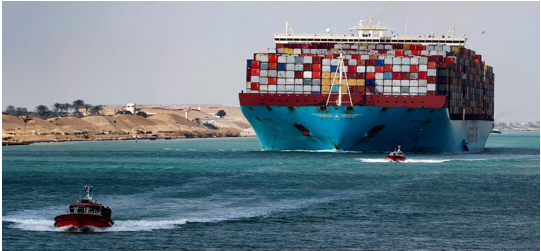
Credit: INP-WealthPk
Related Articles