



INP-WealthPk
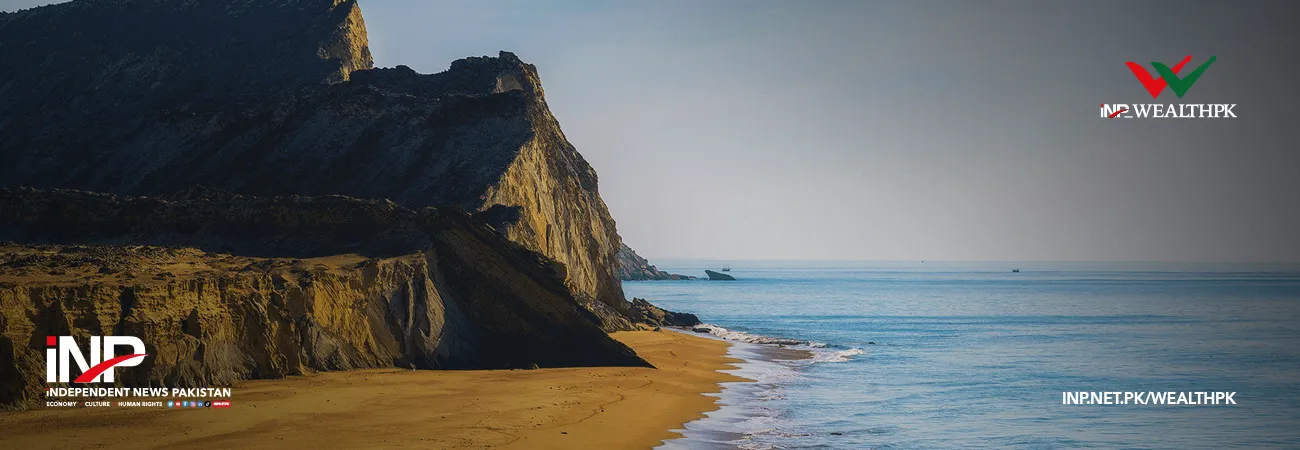
Pakistan’s coastal tourism remains underdeveloped despite natural, cultural assets
April 20, 2026
By Moaaz Manzoor
Pakistan’s coastal tourism remains largely underdeveloped, despite the country’s diverse natural, cultural, and religious attractions along its extensive coastline.
According to the “Blue Economy under URAAN Pakistan 2026” report prepared by the Planning Commission, the country’s coastal belt offers a range of tourism assets, including scenic beaches, marine protected areas, and religious pilgrimage sites such as the Hinglaj Mata Yatra, which attracts around 200,000 visitors annually.
The report highlights locations such as Astola Island, Miani Hor, and the Makran Coastal Highway as key destinations with strong tourism potential. These sites offer opportunities for marine tourism, eco-tourism, and recreational activities, which remain largely untapped.
Despite these advantages, tourism development has remained unstructured, with limited planning and inadequate infrastructure. The report points to issues such as unregulated land use, lack of basic utilities, and absence of integrated tourism development strategies as key constraints.
In addition, limited investment in hospitality infrastructure, including hotels, transport services, and recreational facilities, has restricted the growth of the sector. This has prevented Pakistan from attracting both domestic and international tourists to its coastal areas.
The report also notes that global examples such as the Maldives, Bali, and Kerala demonstrate the potential of coastal tourism as a major economic driver when supported by proper planning and investment.
These models emphasise the importance of strategic development, community participation, and environmental sustainability in building successful tourism industries.
In Pakistan’s case, the lack of coordination among relevant authorities has further slowed progress, limiting the effectiveness of existing initiatives.
The document highlights that structured development of coastal tourism could generate employment, support local communities, and contribute to economic growth, particularly in underdeveloped coastal regions.
It emphasises the need for comprehensive planning, improved infrastructure, and regulatory frameworks to guide tourism development while ensuring environmental protection.
The report concludes that with targeted investment and policy support, coastal tourism can emerge as a significant component of Pakistan’s blue economy, contributing to both economic diversification and regional development.
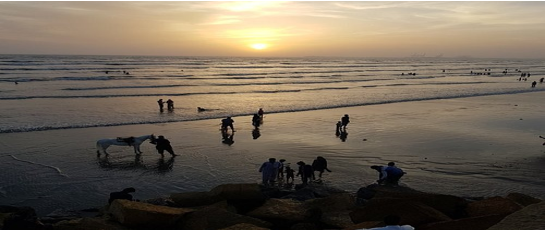
Credit: INP-WealthPk
Related Articles




5G rollout doubles across Pakistan
Aug 20, 26
View more