


INP-WealthPk

Rising global demand opens new export opportunities for Pakistan’s horticulture
April 23, 2026
By Azeem Ahmed Khan
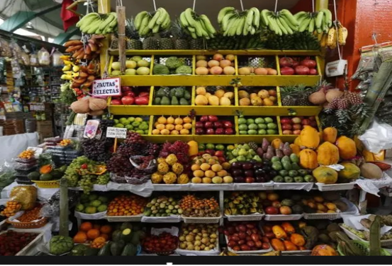
A $2.2 trillion global market, growing at 8.5% annually and set to reach $3.5 trillion by 2033, presents a major opportunity for Pakistan to boost its horticulture exports.
“Pakistan must align its strengths with emerging global trends to capture a larger share of this expanding market,” says Dr Zaffar Mehmood, an international agri-food systems expert who has formerly served as food safety specialist with the Food and Agriculture Organisation of the United Nations in Pakistan.
Speaking to Wealth Pakistan, he said global trade dynamics are shifting and that Pakistan has a unique window to reposition itself. “With the right reforms and strategic investments, the country can transition from a low-share exporter to a competitive player in the global horticulture market,” Mehmood stressed.
Rising incomes, a global population nearing 10 billion by 2050, and a growing shift toward health-conscious diets are driving demand for high-quality fruits and vegetables. The expanding middle class, in particular, is seeking diverse and nutritious food options, he said.
A report by the Food and Agriculture Organisation reinforces this trend, projecting a 70% surge in demand for horticulture over the next three decades. Global trade has already tripled between 2000 and 2026, with the number of exporting countries increasing from 114 to 147, he said.
Stricter environmental standards in premium markets are further shaping demand, favouring suppliers that meet sustainability requirements and can command higher prices, he added.
Pakistan is among the top producers of key horticultural commodities and enjoys unique advantages in certain products, he said. “Its kinnow, for instance, holds a major varietal advantage globally, while Pakistan ranks as the fifth largest mango exporter, with premium varieties like Chaunsa and Sindhri,” Mehmood said.
Year-round production across diverse agro-climatic zones, competitive costs, and established trade links with Gulf countries further strengthen its position. Connectivity with China adds potential, though it remains underutilised, he said.
Despite these advantages, Pakistan’s share in the global horticulture market remains limited. “The country is a top producer but captures only a small portion of global citrus exports,” Mehmood noted.
Key constraints include 15-20% post-harvest losses due to weak cold chain systems, non-compliance with international standards, fragmented farming, and heavy reliance on a narrow export base, mainly the Gulf and Afghanistan.
“These challenges are also opportunities if addressed strategically,” he said.
Value addition offers a clear pathway forward. Processing surplus produce into pulps, juices, dried fruits, and concentrates can reduce losses and unlock new export streams while bypassing many regulatory barriers faced by fresh produce, Mehmood said.
For instance, processed mango products face no phytosanitary restrictions in key markets, enabling faster market entry and brand development. Citrus processing and date-based products also hold significant untapped potential.
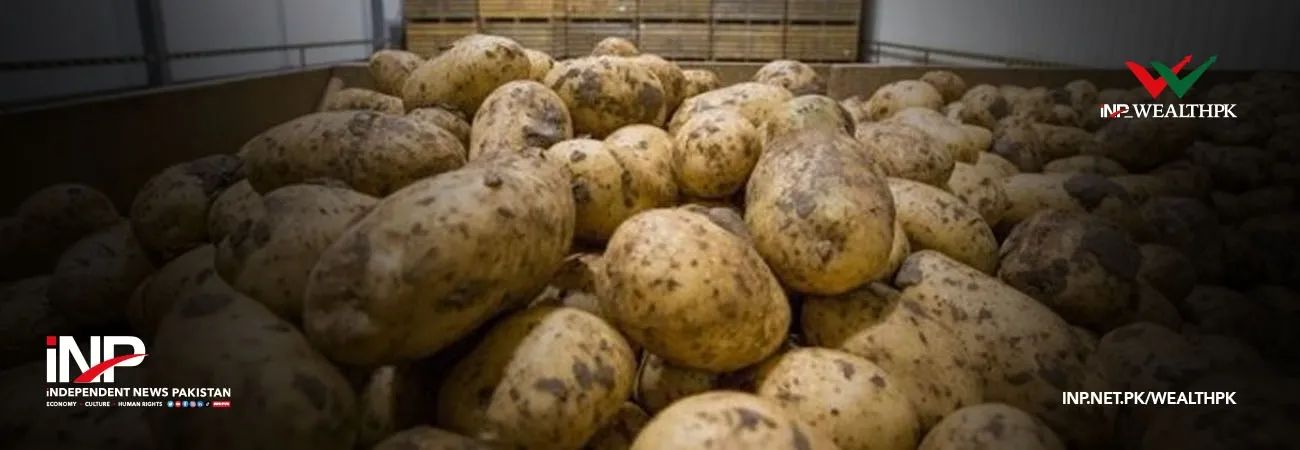
Emerging markets in the Gulf, European Union, Russia, and China offer a clear pathway for expansion, he pointed out. “Pakistan’s relationships in the Gulf can be leveraged to fill supply gaps, particularly for essential commodities like potatoes and onions.”
To fully capitalise, Pakistan must transition from raw exports to a value-driven model focused on quality, compliance, and branding. Reducing losses and moving up the value chain will be critical, he said.
“Strengthening trade partnerships and using existing market access effectively can turn short-term opportunities into sustained export growth,” Mehmood said.
Credit: INP-WealthPk
Related Articles