


INP-WealthPk
Pakistan's high out-of-school rate highlights need for targeted education spending
September 02, 2026
By Muhammad Zulqarnain
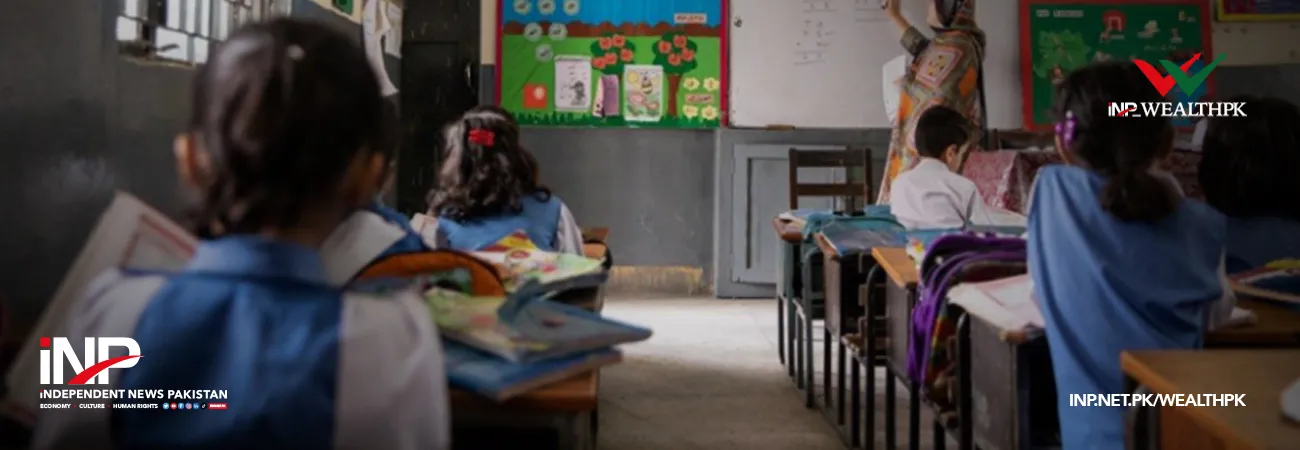
With 28% of Pakistani children aged five to 16 out of school and public education expenditure standing at only 0.8% of GDP, experts say the country's limited education resources need to be targeted more effectively at districts and children facing the greatest disadvantages.
The Household Integrated Economic Survey (HIES) 2024-25 shows substantial disparities across the country, with Balochistan recording the highest out-of-school rate at 45%, including 52% of girls and 38% of boys.
Experts say such disparities make a strong case for financing mechanisms that take account of educational need alongside population, directing greater resources towards areas affected by poverty, teacher shortages, inadequate school infrastructure, gender disparities and long distances to school.
The UNESCO Global Education Monitoring Report 2026 also places equitable financing at the centre of efforts to address educational exclusion. It recommends needs-based allocations, disaggregated data and stronger accountability to ensure that public spending reaches children facing the greatest barriers.
Speaking to Wealth Pakistan, Dr Henna Aslam, Assistant Professor at the Pakistan Institute of Development Economics (PIDE), said the out-of-school children crisis results from both supply- and demand-side factors, requiring financing decisions to reflect the specific conditions of individual districts.
She said distance was a particularly serious barrier for girls in Balochistan because it raised safety and cultural concerns. According to the National Commission on the Rights of Child, the distance to school in the province was approximately five times the national average.
“Different policies should be targeted towards different districts,” Dr Henna said, proposing new schools in underserved locations, mobile schools and free transport where conventional schools were not immediately feasible.
She said financing must also address teacher shortages. Education Management Information System data for 2022-23 show that 7,287 schools in Balochistan had no teaching staff, while another 7,127 operated with only one teacher.
Dr Henna recommended combining needs-based allocations with results-based financing. Districts reducing out-of-school rates and improving retention and progression could receive additional resources, while poor and hard-to-reach districts should not be disadvantaged because of their more difficult starting conditions.
She also proposed conditional cash transfers to help poor households meet schooling costs, particularly for girls. HIES data show that the share of household expenditure devoted to education declined from 3.98% in 2018-19 to 2.48% in 2024-25.
Urooj Fatima, Senior Educational Researcher at Teach For Pakistan, told Wealth Pakistan that education financing should be distributed according to the level of disadvantage.
“Equal allocation of funds will not produce equal opportunities,” she said.
She proposed larger allocations for districts with high out-of-school rates, with additional funding weights for girls, children with disabilities and those from low-income households.
Urooj said provincial governments should map districts using disaggregated educational and socioeconomic data, while public dashboards could track expenditure alongside enrolment, attendance, retention and transition into formal schools.
She also advocated funding eight- to 10-month accelerated learning programmes to provide foundational education to children who had never attended school or had dropped out.
Trained community teachers and local learning centres, she said, could bring education closer to hard-to-reach children and help them transition into formal schools.
Dr Farid Panjwani, Dean of the Institute for Educational Development at Aga Khan University, Karachi, said increasing education allocations was necessary, but ensuring the full and effective utilisation of existing budgets was equally important.
“Strong and consistent political will remains the missing piece in education-sector reform,” he said.
Dr Panjwani said funding decisions should be based on reliable data extending to the union-council level. Scholarships and conditional assistance should be delivered through transparent banking channels to ensure that support reaches eligible households.
He identified dropout prevention as an immediate financing priority and called for funding second shifts, technology-enabled and distance learning, and partnerships with civil society, the private sector, philanthropic organisations and international development partners.
Dr Panjwani said a combination of better-targeted financing, effective utilisation of existing resources and interventions designed around local barriers could help Pakistan bring more children into school and improve their chances of remaining in education.
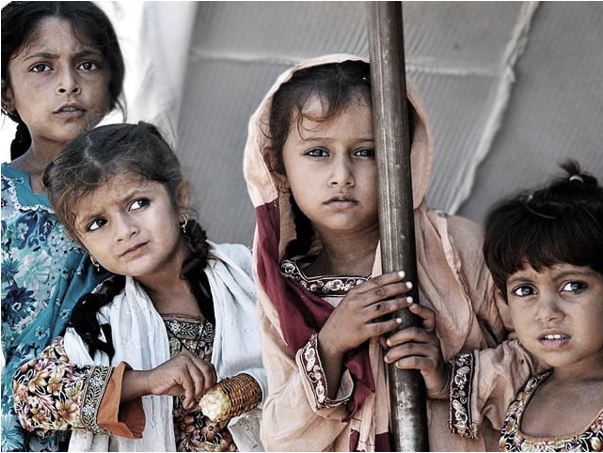
Credit: INP-WealthPk
Related Articles