


INP-WealthPk

60–90% marine fish stocks face overexploitation due to illegal fishing, weak governance
April 20, 2026
By Moaaz Manzoor
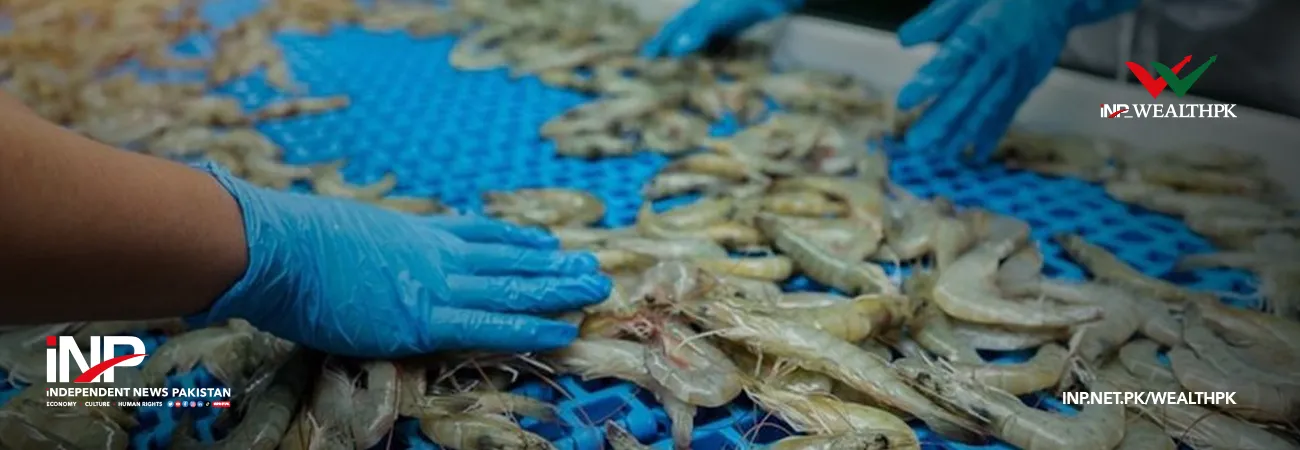
Pakistan’s marine fisheries are under severe stress, with 60–90% of fish stocks reported to be overexploited due to illegal fishing practices, weak enforcement, and fragmented governance structures.
According to the “Blue Economy under URAAN Pakistan 2026” report prepared by the Planning Commission, excessive fishing capacity, the widespread use of illegal nets, and inadequate monitoring have significantly depleted marine resources along the country’s coastline.
The report highlights that fine-mesh nets, which capture juvenile fish before they reach maturity, are widely used, disrupting natural breeding cycles and reducing long-term fish availability. This practice has contributed to declining fish stocks and reduced productivity in several coastal areas.
Weak enforcement mechanisms have further compounded the problem. Fisheries fall under provincial jurisdiction, leading to inconsistent regulations and limited coordination among authorities. As a result, key measures such as seasonal bans and net-size restrictions are often not effectively implemented.
The absence of modern monitoring systems also remains a major challenge. The report notes that Vessel Monitoring Systems (VMS), which are widely used internationally to track fishing activities and ensure compliance, have not been fully implemented in Pakistan.
In addition to regulatory issues, informal cross-border practices, including barter trade of high-value fish for fuel, continue to undermine formal market structures and contribute to resource depletion.
Environmental factors have also played a role in the decline of fish stocks. The report points to pollution, untreated industrial discharge, and the degradation of coastal ecosystems, particularly in the Indus Delta, as key contributors to declining marine productivity.
Mangrove deforestation, driven by urban expansion and illegal cutting, has reduced critical breeding habitats for fish and other marine species. These ecosystems play a vital role in maintaining biodiversity and supporting fisheries, and their loss has long-term implications for the sector.
The report further notes that fishermen are increasingly required to travel farther offshore and spend more time at sea to achieve the same level of catch, reflecting the declining availability of fish in nearshore areas.
Despite the sector supporting nearly one million livelihoods, these challenges have constrained its growth and sustainability, raising concerns about long-term food security and income stability for coastal communities.
The document underscores the need for stronger enforcement, improved coordination among authorities, and the adoption of modern monitoring technologies to restore fish stocks and ensure the sustainable management of marine resources.
Credit: INP-WealthPk
Related Articles